
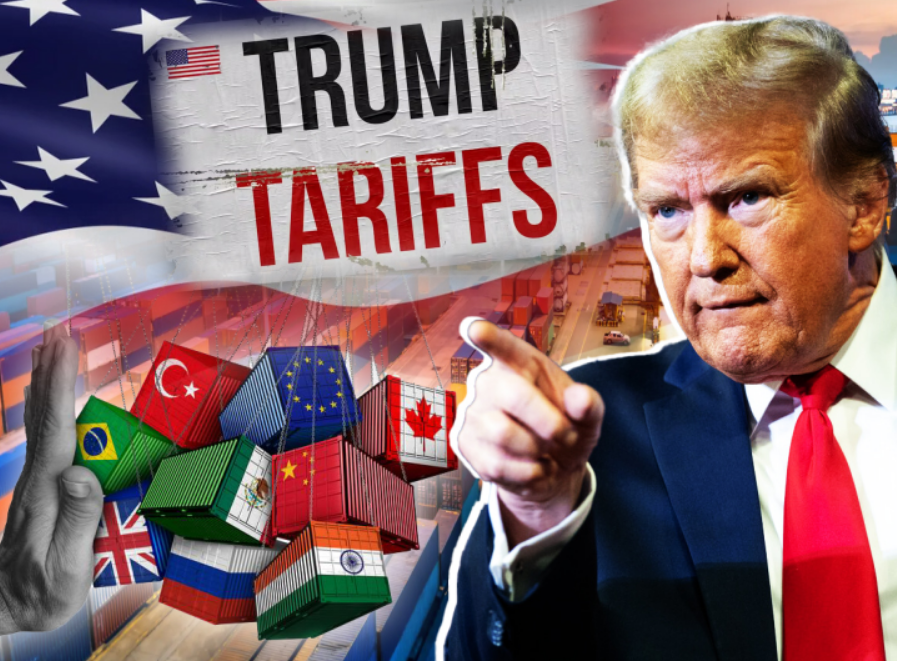
Businesses Fear Higher Costs, Trade Disruptions, and Economic Uncertainty
Global trade is once again facing uncertainty as discussions around new US tariffs continue to dominate headlines.
The return of aggressive tariff policies has raised concerns among businesses, investors, and policymakers around the world. While supporters argue that tariffs can protect domestic industries and strengthen manufacturing, critics warn that they could increase costs, disrupt supply chains, and slow economic growth.
For Europe, the stakes are particularly high.
Many industries depend heavily on access to the American market, making any changes to trade policy a major issue for exporters across the continent.
Why Tariffs Matter
Tariffs are taxes placed on imported goods.
Governments often use them to protect domestic industries by making foreign products more expensive compared to locally produced alternatives.
Supporters of tariffs argue that they can:
- Protect local jobs
- Encourage domestic manufacturing
- Reduce trade deficits
- Strengthen strategic industries
Critics, however, argue that tariffs often increase costs for businesses and consumers while creating uncertainty for global markets.
Europe Is Watching Closely
The European Union remains one of the United States’ largest trading partners.
Every year, billions of dollars worth of products move between both economies, including:
- Automobiles
- Machinery
- Pharmaceuticals
- Luxury goods
- Chemicals
- Technology products
European manufacturers are concerned that additional tariffs could reduce competitiveness and make exports to the US more expensive.
For countries such as Germany, France, and Italy, export-driven industries play a major role in economic growth.
Germany Faces Additional Challenges
Germany’s economy has already experienced significant pressure from slowing industrial activity and higher energy costs.
Many economists warn that new trade barriers could create further challenges for:
- Automotive manufacturers
- Industrial exporters
- Machinery producers
- Technology companies
Business leaders fear that prolonged trade tensions could make economic recovery more difficult at a time when European industry is already adapting to major global changes.
Global Supply Chains Could Be Affected
Modern manufacturing depends on highly interconnected international supply chains.
Products often contain components sourced from multiple countries before reaching consumers.
When tariffs increase, companies may face:
- Higher production costs
- Delays in supply chains
- Reduced profit margins
- Increased consumer prices
- Lower investment confidence
Many multinational corporations are already evaluating how future trade policies could affect their operations.
The US-China Rivalry Adds More Pressure
Tariffs are only one part of a broader shift in global economic policy.
The United States and China continue competing in areas such as:
- Artificial intelligence
- Semiconductor technology
- Advanced manufacturing
- Digital infrastructure
As geopolitical competition intensifies, trade policy is becoming increasingly connected to technology and national security concerns.
This creates additional uncertainty for global businesses operating across multiple markets.
Markets Are Paying Attention
Financial markets closely monitor tariff announcements because trade policies can influence:
- Economic growth
- Inflation
- Corporate earnings
- Investment decisions
- Consumer spending
Even the possibility of future tariffs can affect business planning and investor confidence.
Analysts believe trade policy will remain one of the key economic issues to watch throughout 2026.
Supporters See Long-Term Benefits
Advocates of stronger trade protections argue that tariffs can help rebuild domestic industries and reduce dependence on foreign suppliers.
They believe strategic sectors such as manufacturing, technology, and critical infrastructure should receive greater protection.
Supporters also argue that economic resilience may become increasingly important in a world facing geopolitical uncertainty.
A New Era of Global Trade
The debate over tariffs reflects a larger transformation taking place across the global economy.
Governments are increasingly focused on:
- Economic security
- Supply-chain resilience
- Domestic production
- Strategic technologies
- National competitiveness
As a result, global trade is becoming more closely tied to political and security considerations than at any time in recent decades.
What Comes Next?
No one knows exactly how future tariff policies will reshape global commerce.
What is clear is that businesses, investors, and governments are preparing for a world in which trade relationships may become more complex and less predictable.
For Europe, the challenge will be balancing competitiveness, economic growth, and strategic independence while adapting to a rapidly changing global landscape.
As 2026 unfolds, tariff policy is likely to remain one of the most closely watched issues in the international economy.